
Creativity, Community, and the Design of Learning
I believe schools should be places where young people feel known, encouraged, and excited to learn.
Our learning environments shape far more than academic success. They shape identity, belonging, and a student’s sense of what is possible. They influence how young people see themselves, how they relate to others, and whether learning feels alive or simply something to endure. For many students facing challenges beyond the classroom, school can either reinforce the weight of those circumstances—or become the place where they finally experience stability, encouragement, and belonging.
This work is personal to me. I have experienced disconnection from school as a student, witnessed it in my own child, and felt it as a teacher working within systems too often driven by compliance, data, and efficiency rather than relationship and community.
For many students, school becomes more about pressure, rules, performance, and management than about curiosity, creativity, and connection. In a time of constant technological connection, many students are experiencing a deeper relational disconnection from the adults and communities meant to support them. As they move through the system, many lose confidence, motivation, and joy in learning.
It does not have to be this way.
Every child deserves a learning experience that helps them feel valued, inspired, and connected to purpose. Students should be able to carry their natural curiosity and creativity with them throughout their educational journey, rather than leaving those parts of themselves behind as school becomes more rigid and impersonal.
This is not about blaming educators. Most teachers and school leaders care deeply about children. The challenge is that many are working within systems shaped more by compliance, efficiency, and measurement than by relationships, belonging, and community.
Through my work as an educator and artist, I explore how creativity, collaboration, and community-centered learning can help reimagine schools as places where students are not simply managed, but known—and where they can truly thrive.
Experience
Over more than 25 years as an educator and program builder, I have worked in a wide range of learning environments supporting students with complex academic, emotional, and behavioral needs. My work focuses on designing creative and therapeutic learning environments that support both individual students and entire school communities.
My experience includes:
Districtwide Training for Paraprofessionals
Designing and facilitating professional development for paraprofessionals across school districts, focusing on supporting students with emotional and behavioral challenges, strengthening classroom support systems, and building collaborative learning environments.
Work in Nonpublic School (NPS) Settings
Extensive experience working in specialized nonpublic school environments supporting students with complex learning, emotional, and behavioral needs.
Developing Therapeutic Programs in Public School Districts
Helping design and implement therapeutic classroom environments within public schools that support students with significant social-emotional and behavioral challenges while maintaining meaningful academic engagement.
Building Arts Programs and Creative Learning Spaces
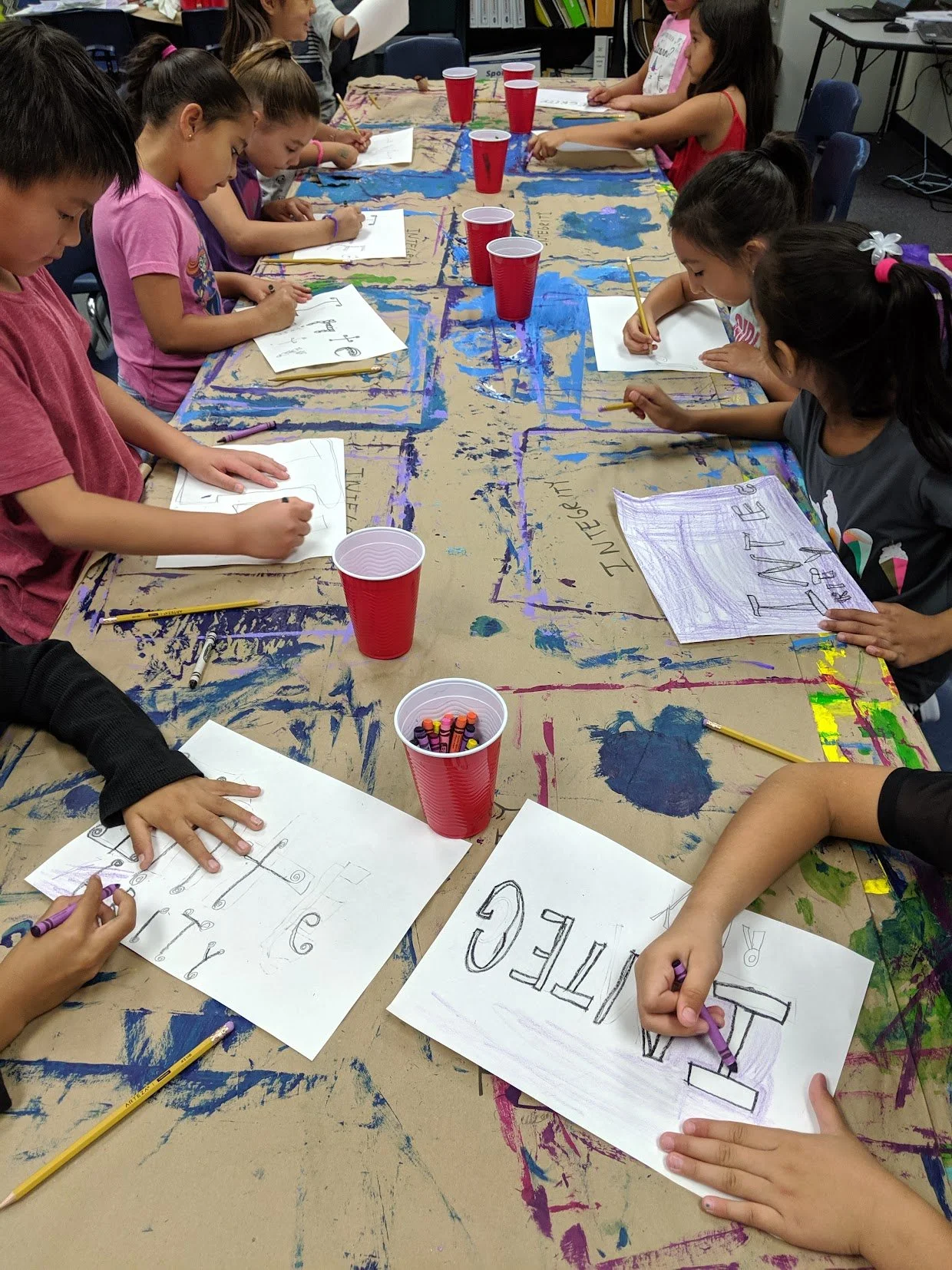
Developing arts-centered programs and environments that use visual arts, music, and collaborative creative practice to foster student engagement, expression, and community.
Parent Education and Advocacy Support
Leading parent trainings and workshops to help families better understand educational systems, support their children’s learning, and navigate IEP processes.
Community Partnerships and Faith-Based Support
Working with local churches and community organizations to help families and students with disabilities access resources, build supportive networks, and strengthen inclusive learning environments.
Program and Space Design for Youth Learning Environments
Co-designed the initiative at EPACENTER, helping develop youth programs before the physical space was completed. This work involved collaborating with award-winning landscape architect Walter Hood and the architecture firm WHY Architecture to imagine and design environments that support creativity, belonging, and youth development.
Public Presentations and Advocacy
Participated in public conversations on supporting at-risk young men in schools, including presenting alongside Jennifer Siebel Newsom, contributing to discussions about how schools can better support students facing significant social and emotional challenges.
Principles That Guide My Teaching
Learning Spaces Matter
Classrooms are not neutral environments. The way they are designed shapes how students feel, participate, and grow.
Every Student Holds Challenges and Gifts
Meaningful learning begins when we meet students where they are and help them use their strengths to move toward growth, confidence, and excellence.
Creativity is Essential
Art, music, imagination, and experimentation help students engage deeply with ideas and with one another.
Community Comes Before Compliance
Students learn best in environments built on trust, connection, and shared purpose.
Engagement Must Be Designed
When students disengage, it is rarely a problem of motivation alone. It is often a signal that learning environments need to be redesigned.
Every Student Deserves Meaningful Learning
Students facing the greatest adversity are often the ones most in need of creative, supportive learning environments.

VISION
My vision is to help reimagine our learning environments so that creativity and community once again become central to the experience of education. I believe that when classrooms are designed with care, intention, and imagination, every student—especially those facing the greatest challenges—can rediscover curiosity, connection, and a sense of possibility.